When the Tarmac Becomes a Holding Cell
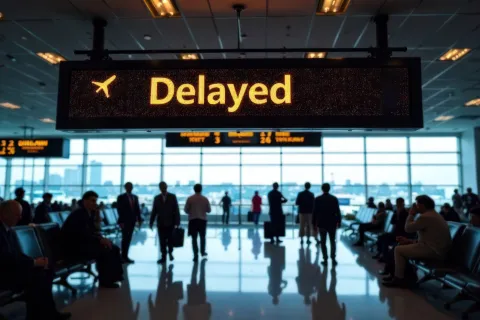
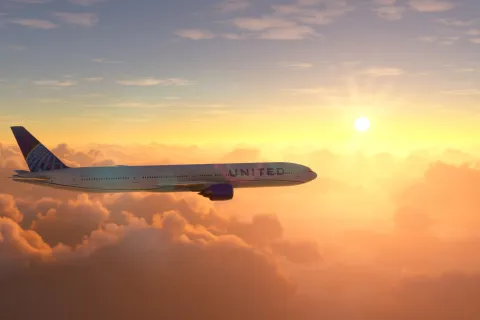
NEWARK, N.J. - There's a particular kind of dread that sets in around hour three of sitting on a grounded plane, watching the gate get farther away instead of closer. The air gets stale. The lavatories start to smell. Someone's kid is crying, and honestly, you're not far behind. Now imagine that stretching to seven hours. Maybe eight. That's what happened to United Airlines passengers at Newark Liberty International Airport on May 29, 2026, in what's shaping up to be one of the ugliest operational meltdowns I've seen covered in years. Multiple United flights sat immobilized on the tarmac for extended periods, with passengers trapped inside metal tubes while the airline tried to figure out what to do with them. According to Simple Flying, travelers endured a harrowing ordeal that quickly spiraled into debates over federal regulatory compliance. The compensation offered afterward? A mere $200 voucher, minimal snacks, and water, according to Simple Flying. If that sounds inadequate for what amounts to an entire workday spent imprisoned in an aircraft seat, you're not alone in thinking so.The Federal Rules Nobody Seems to Follow
Here's what most passengers don't know until it's too late: U.S. Department of Transportation rules cap tarmac delays at three hours for domestic flights and four hours for international ones. After that, airlines are supposed to let you off the plane unless there's a safety or security reason not to, or unless air traffic control says deplaning would disrupt operations significantly. Those rules exist because this exact scenario keeps happening. Airlines push the limits, passengers suffer, and then everyone acts surprised when the DOT starts investigating. If United passengers really sat for seven to eight hours at Newark, as multiple accounts suggest, the airline didn't just bend the rules. It shattered them. And Newark, one of United's major hubs and already one of the most delay-prone airports in the country, was the worst possible place for this to happen. When Newark's operations fall apart, they take chunks of United's entire network down with them. The airline is also required to provide adequate food and water after two hours, maintain working lavatories, and address medical emergencies. Whether United met those obligations during this incident will likely be central to any federal enforcement action that follows.Why This Keeps Happening
The Newark disaster isn't an isolated glitch. It's a symptom of a much larger aviation crisis that's been building for years and finally boiled over in 2026. Start with air traffic controller shortages, especially in the congested Northeast corridor. Chronic understaffing means more ground delay programs, more holding patterns, more aircraft stacking up with nowhere to go. Add weather, which in the New York area can shut down operations faster than you can say "thunderstorm cell," and you've got a recipe for chaos. Then layer on the way airlines operate now: minimal slack in crew schedules, tight aircraft rotations, no backup plans. When something breaks, the whole system seizes up. And passengers, who have zero control and zero information, become collateral damage. United has been under heightened scrutiny since at least 2024, when a string of safety incidents prompted FAA reviews and internal audits. The airline has spent two years trying to rebuild trust, and then Newark happens.The Ripple Effect Nobody Talks About
Extended tarmac holds don't just ruin one flight. They trigger crew duty-time violations, forcing airlines to pull crews off subsequent flights. Aircraft get stuck out of position, cascading delays across the network. What starts as a Newark problem becomes a Chicago problem, a Denver problem, a San Francisco problem. Passengers on those planes at Newark weren't just losing a day. They were the first dominos in a nationwide irregular operations event that likely grounded or delayed hundreds of other flights and stranded thousands more travelers. And if you're a budget traveler or digital nomad counting on tight connections to make an international flight or meet a hostel check-in deadline, this kind of meltdown can blow up your entire itinerary and drain your contingency fund in a single afternoon.What Got Lost in the Tarmac
I've spent enough time on long-haul buses and delayed flights to know that after the first few hours, you stop being a person and start being a problem the system needs to manage. You're hungry, tired, maybe motion-sick. You need to use a bathroom that's been out of toilet paper since hour two. You've missed your connection, your hotel check-in, maybe a job interview or a family event. And the whole time, the airline is feeding you vague announcements about air traffic control and weather, never quite explaining why you can't just go back to the gate and try again tomorrow. The $200 voucher and snacks United reportedly handed out feel less like compensation and more like hush money. A voucher you can only spend with the same airline that just trapped you on a plane for eight hours isn't a remedy. It's an insult dressed up as customer service.The Broader Reckoning Coming
Consumer advocates and regulatory voices have been warning for years that existing tarmac delay rules aren't being enforced effectively. Airlines still calculate that the risk of a fine is worth pushing the limits to preserve a flight and avoid the operational nightmare of returning to the gate. This Newark incident could be the case that changes that calculus, especially if the DOT decides to make an example of United. Automatic compensation for extreme delays, stricter real-time reporting requirements, and heftier penalties are all on the table in policy circles. For travelers, the lesson is grimmer: the system is broken, and nobody's coming to fix it quickly. Know your rights, document everything, and be ready to fight for compensation after the fact, because you won't get it proactively. And maybe, just maybe, avoid Newark if you can help it. Some hubs just aren't worth the gamble.More travel news
Flying With Power Banks: New Rules for LA Travelers
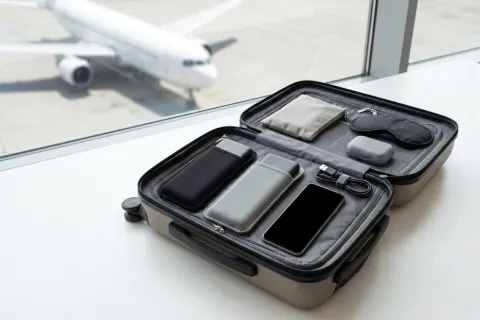
LOS ANGELES, Calif. - New regulations clarify which portable battery chargers you can bring on flights, with most travelers able to carry two 100-watt-hour power banks without airline approval.
Major US Airlines Ground Nearly 1500 Flights June 3
NEW YORK, N.Y. - Widespread disruptions across Texas, Illinois, California, Massachusetts, New Jersey, and New York grounded 142 flights and delayed 1,294 on June 3, 2026, stranding travelers on major carriers.

United Pilot Threatens FBI Over Passenger Hotspot Name
Seattle, Wash. - A pilot's ultimatum over a hotspot name sparks questions about authority, speech, and de-escalation at 35,000 feet.

United Pilots Fired After Revealing Coach in Cockpit
The captain who reported a safety violation is now fighting termination in a federal whistleblower hearing, two years after a baseball coach sat in his seat mid-flight.
About the Author

Mariana Torres
Mariana is a 33-year-old travel writer and backpacker who specializes in finding the pulse of a place far beyond the tourist maps.