Stay current with our airline news coverage.
What a Strike Authorization Actually Means
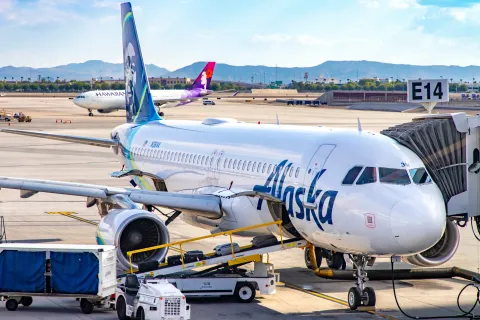
Strike authorization votes are common in airline labor negotiations, but they rarely lead to actual strikes. The Railway Labor Act, which governs airline labor relations, requires both parties to exhaust mediation and cooling-off periods before any work action can begin. That process typically takes months, sometimes years. Still, the vote signals real frustration among Alaska's flight attendants. Contract talks have dragged on as cabin crew seek better pay, improved scheduling rules, and enhanced quality-of-life provisions. Flight attendants at other carriers, including American and United, have secured substantial raises in recent contracts, raising expectations across the industry.Where Negotiations Stand
Details about the specific sticking points in Alaska's negotiations weren't immediately available, but flight attendant contracts typically hinge on a few key issues: base pay rates, per diem allowances, reserve rules (how the airline can assign last-minute trips), and scheduling flexibility. The vote comes at a busy time for Alaska, which has been integrating Hawaiian Airlines following its acquisition. Managing two workforces with different contract terms adds complexity to any labor negotiation; flight attendants at the combined carrier are likely watching to see what precedents get set.Should You Worry About Your Alaska Booking?
If you've got an Alaska flight booked in the coming weeks or months, there's no immediate reason to panic. The authorization vote is a procedural step in negotiations, not a countdown to a walkout. Even if talks break down completely, the federal mediation process would give travelers plenty of warning before any actual disruption. Airlines are required to maintain normal operations during mediation, and if the National Mediation Board eventually releases the parties (allowing a strike), there's still a mandatory 30-day cooling-off period. That said, labor uncertainty can affect service in subtler ways. Flight attendants working under an expired contract sometimes engage in "work to rule" actions, where they follow every procedure to the letter without the usual flexibility that keeps operations running smoothly. That can mean longer boarding times, stricter enforcement of carry-on rules, or reduced onboard service.The Bigger Labor Picture
Alaska's flight attendants aren't alone in pushing for new contracts. Cabin crew at several major carriers have been in prolonged negotiations, and the post-pandemic travel boom has given unions real leverage. Airlines are flying full planes and posting healthy profits, which makes it harder to plead poverty at the bargaining table. Flight attendants saw their careers upended during the pandemic, with many furloughed or taking pay cuts to keep their airlines afloat. Now they're working longer hours on fuller flights, often dealing with more challenging passenger behavior, and they want compensation that reflects those realities. From a traveler's perspective, improved flight attendant contracts could actually mean better service. Well-compensated, well-rested cabin crew are more likely to deliver the kind of service that makes flying tolerable. Conversely, understaffed flights with overworked attendants create friction for everyone onboard.What Travelers Should Do Now
Keep an eye on updates from Alaska and the flight attendants' union, but don't cancel your plans yet. If you're particularly risk-averse and have a critical trip coming up many months from now, consider booking refundable fares or adding trip insurance that covers labor disruptions. Alaska has a strong track record of operational reliability, and the airline knows that prolonged labor strife would damage its reputation with customers. Both sides have incentives to reach a deal before things escalate to the point of actual service disruptions. For now, this is a negotiation playing out within the confines of federal labor law. It's worth watching, but it's not yet a crisis. Just another reminder that the smooth operation of air travel depends on thousands of workers whose contracts and working conditions rarely make headlines until they do.More travel news
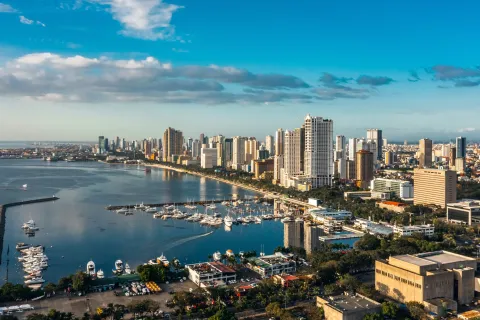
Fly Business to Manila for 75K Miles Plus Fees
SEATTLE, Wash. - More than 1,300 nonstop business-class award seats to the Philippines just opened up through Alaska Airlines Atmos Rewards, starting at 75,000 points and $26.
Quark Unveils 70-Plus Polar Expeditions for 2028
SEATTLE, Washington - Quark Expeditions has begun accepting reservations for polar voyages departing in 2028 and 2028-29, the earliest program launch in the expedition operator's history.

Massive Flight Chaos Hits USA With 4,508 Delays
NATIONWIDE - A single-day disruption on June 2, 2026, left thousands of passengers stranded as 4,508 flight delays and 85 cancellations swept across major U.S. carriers and states.

Alaska Airlines Hit With Fine for Boarding Drunk Flyers
SEATTLE — Alaska Airlines faces a proposed $165,000 FAA fine for allegedly allowing visibly intoxicated passengers to board 11 flights between February 2024 and February 2025.
About the Author

Bob Vidra
Bob Vidra, based in scenic Tahoe, is an esteemed tech editor known for his deep understanding of the dynamic intersection of technology, travel, and the outdoors.