Stay current with our airline news coverage.
TSA Workforce Hemorrhaging Under Shutdown Pressure
The agency losing personnel fastest is TSA, where officers work without pay during the shutdown. The exodus of nearly 500 officers represents a significant operational hit for an agency already stretched thin across hundreds of airports. These aren't furloughed workers sitting at home; these are resignations. People who walked away permanently because they couldn't afford to keep showing up. I've covered enough government shutdowns to know the pattern. Federal workers initially tough it out, believing the impasse will break. After a few weeks, the financial strain becomes unbearable for those living paycheck to paycheck. At 42 days, you're well past the breaking point for anyone without substantial savings. TSA officers, who aren't highly paid to begin with, are among the first to hit that wall. The result at airports is exactly what you'd expect: the longest security lines in U.S. history, according to Travel. Not the longest since 2013 or since COVID. The longest ever recorded.What This Means for Travelers Right Now
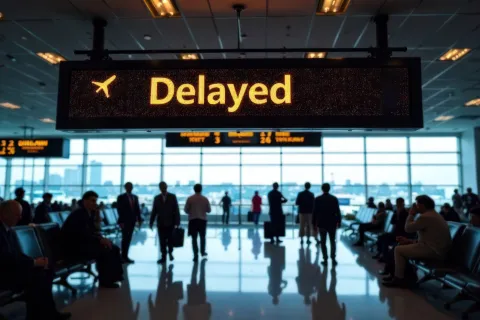
If you're flying anywhere in the United States, build in at least an extra two hours beyond what you'd normally allow for security. That's not hysteria; that's math. Fewer officers processing the same volume of passengers equals longer waits. Domestic travelers accustomed to breezing through PreCheck in ten minutes are reporting 45-minute waits. Standard security lanes are pushing three hours at major hubs during peak periods. The cascading effects go beyond just standing in line. Missed connections are spiking. Airlines are adjusting recommended arrival times. Some smaller airports with skeletal TSA staffing are operating fewer security lanes than usual, creating bottlenecks that didn't exist a month ago. For business travelers, this is a planning nightmare. You can't reliably make tight connections. Early morning departures that once meant a 5 a.m. alarm now mean 3 a.m. Conference schedules, client meetings, and anything time-sensitive becomes a gamble. Leisure travelers, especially families, are dealing with exhausted kids melting down in serpentine queues that weren't designed for multi-hour waits. The airport experience, already degraded over the past decade, has become genuinely punishing.The Political Stalemate Behind the Chaos
The shutdown started with Senate Democrats pushing for judicial warrants for deportations and placing restrictions on agency funding, according to Travel. The legislative fight evolved after Minnesota tragedies prompted consolidation of appropriations bills. What were originally 11 separate bills got compressed into three minibuses: H.R. 6938, H.R. 714, and others, according to Travel. This consolidation strategy, intended to streamline passage, instead created a larger single point of failure. When negotiations collapsed over immigration enforcement language, the entire DHS appropriation went down with it. The absurdity is hard to overstate. ICE and Border Patrol, the agencies whose operations sparked the funding fight, were already receiving money. The shutdown penalizes TSA, Coast Guard, FEMA, Customs and Border Protection officers at ports of entry, and every other DHS component that has nothing to do with the deportation debate.No End in Sight
At 42 days, this shutdown has entered rare territory. Most DHS shutdowns in the past decade lasted days or perhaps two weeks. This one shows no signs of resolution because neither side sees political advantage in backing down first. Senate Democrats view deportation oversight as a civil liberties issue they can't compromise on. Republicans frame it as defending executive authority over immigration enforcement. Meanwhile, TSA keeps losing people. The agency can't hire fast enough to replace resignations even during normal times, given the background check requirements and training involved. Every officer who quits now represents a gap that won't be filled for months, even after the shutdown ends. The downstream effects will outlast the shutdown itself. Rebuilding TSA staffing to pre-shutdown levels will take well into next year. Even when funding resumes, the operational damage persists.Practical Guidance
Until this resolves, treat every airport visit as a worst-case scenario. Arrive three hours early for domestic flights, four for international. Download your airline's app for real-time security wait estimates, though understand those can be wildly optimistic during staffing crises. If you have flexibility, fly midweek and avoid early morning or evening rush periods. Consider whether trips are truly necessary right now. I don't say that lightly, but the current airport environment isn't just inconvenient. It's unpredictable in ways that can derail entire itineraries. This is what happens when political dysfunction meets critical infrastructure. Travelers become collateral damage, and the system buckles under the weight of decisions made nowhere near an airport security line.More travel news
Lufthansa Blocks First Class Awards for Millions
FRANKFURT, Germany - Lufthansa blocks first-class award redemptions for frequent flyers in three major markets, eliminating a prized benefit for millions of travelers who've been banking miles for premium cabin flights.

Trump Ends 50-Year National Park Vehicle Ban
WASHINGTON - President Trump reversed Executive Orders 11644 and 11989, lifting decades-old off-road vehicle restrictions on federal lands including areas in and around national parks.

DHS Threatens Airport Shutdowns in Sanctuary Cities
WASHINGTON - DHS Secretary revives proposal to withdraw customs officers from major airports in sanctuary jurisdictions, sparking alarm from airlines and travelers.

Budget Carrier Collapses as Oil Crisis Grounds Fleets
MIAMI, USA - Viral reports of Spirit Airlines shutting down and Magnicharters filing for bankruptcy due to a U.S.–Iran oil crisis do not align with verifiable airline industry timelines or real-world events.
About the Author

Jeff Colhoun
Jeff Colhoun is an acclaimed travel writer, photographer, and filmmaker, whose work is respected both in the United States and internationally.