Stay current with our airline news coverage.
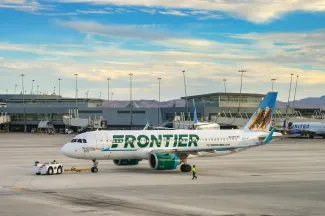
First class on Frontier? The airline known for cheap tickets and separately priced extras is planning a more comfortable option up front. According to Seeking Alpha, the Denver-based ultra-low-cost carrier plans to introduce a first-class cabin across its Airbus fleet in 2027.
That’s a meaningful change for an airline whose identity has long revolved around keeping the base fare low. But this isn’t a promise to turn Frontier into a luxury carrier. Reporting from CNBC describes a more measured ambition: give customers another option while the airline works toward steady profitability.
Seeking Alpha’s Sept. 24 report gives the plan a 2027 introduction date. CNBC also reported the planned rollout, drawing on a late-June interview with Frontier Chairman Bill Franke. The reports describe a planned cabin, rather than establish a newly available product travelers can book today.
Frontier’s first-class plan targets its Airbus fleet
The scope is substantial: Seeking Alpha describes a first-class cabin planned across Frontier’s Airbus fleet. CNBC likewise reported that Frontier intends to roll out first-class seats on its Airbus fleet, making this a broader change to the airline’s seating offering.
For travelers, the distinction is between the airline’s stated ambition and the details needed to choose a flight. The cited reporting does not specify prices, seat dimensions, cabin size, included services, booking availability or an aircraft-by-aircraft schedule. It also does not establish whether the entire fleet conversion will be completed during 2027. For now, that year is the planned introduction, not a guarantee about a particular departure.
Franke’s description helps set expectations without filling in those blanks. “We’re not trying to have a Singapore Airlines first class,” he told CNBC. “What we’re trying to do is give the consumer an option,” he said, describing the intended offering as upscale and competitive. His emphasis was on consumer choice, not lavish luxury.
That’s the useful way to read the plan: Frontier is planning a different seating option, but the first-class label alone isn’t enough to judge its value. A product name and a fully defined travel experience are two different things.
Why the low-cost formula is changing
For decades, Franke’s approach centered on inexpensive tickets accompanied by fees for checked bags, seat selection and other extras, CNBC reported. Keeping costs low, growing quickly and avoiding free amenities were central to that model. A premium cabin represents a change in what Frontier wants to sell, even if offering customers choices remains part of the pitch.
The pressure to adjust isn’t just about passengers wanting a nicer seat. CNBC reported that higher pilot salaries, maintenance costs and operating expenses have squeezed budget airlines, alongside a boom in premium travel. Those forces challenge both sides of the business: keeping the operation inexpensive and offering products customers want to buy.
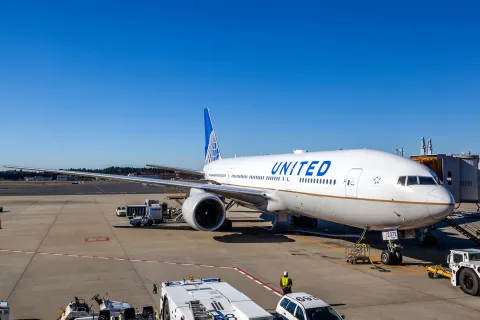
Meanwhile, larger competitors have adopted parts of the budget-carrier playbook. According to CNBC, United Airlines and Delta Air Lines introduced bare-bones fare choices with additional fees. The report also describes them extending more restrictive pricing options into first class and long-haul suites, including removing free seat selection for customers choosing certain fares.
That makes the old budget-versus-premium distinction less tidy. As CNBC’s reporting shows, large airlines are selling more stripped-down options while Frontier prepares to offer something more upscale. The competitive argument is no longer simply who can provide the fewest frills.
First class is part of a broader Frontier shift
Seats aren’t the only change in the works. CNBC reported that Frontier has joined the airlines adding SpaceX’s Starlink Wi-Fi onboard as it seeks to return to steady profitability. The reporting places connectivity alongside first class as part of the carrier’s move toward more traveler comforts.
The financial backdrop gives that effort some urgency. According to Briefs, Frontier has recorded just one profitable year since 2019. Briefs also reported that CEO Jimmy Dempsey, speaking July 29, described the airline as moving toward sustainable profitability while declining to forecast the following year.
Frontier isn’t alone in looking beyond a single basic cabin. Briefs reported that Allegiant Air plans first class on its single-cabin jets and that JetBlue Airways is rolling out a domestic first class. Those developments put Frontier’s plan in the context of other airlines adding premium seating choices.
What the planned option means for travelers
There’s a straightforward appeal here: travelers who like Frontier’s network could eventually have a premium seating choice on the same airline. Whether that becomes a compelling purchase will depend on the product and fare Frontier actually puts on sale, not just the cabin’s name.
For now, the news is narrower but still significant. Frontier plans to introduce first class in 2027, and its chairman is making the case for more choice rather than extravagant service. A nicer seat would be a departure from the bare-bones formula; whether it’s a good deal remains a separate question.
More travel news
Jet Fuel Prices Have Doubled Since January
Jet fuel prices have doubled since January, and Leeham News is modeling potential ticket and cargo price effects if the increase persists.
Qantas Project Sunrise Flights Expected in First Half of 2027
Commercial flights have not begun; Qantas plans nonstop Sydney routes to London and New York with 238-seat A350-1000ULRs, with service expected in the first half of 2027 but no confirmed date.

American Airlines Flew Uncertified Plane to Hawaii
LOS ANGELES, United States - A dispatch software failure sent the wrong A321 variant 3,000 km over the Pacific on Flight 31, prompting an FAA probe and emergency fixes to American's fleet-assignment system.

Airlines Cannibalize New Jets Amid Engine Shortage
Airlines worldwide are cannibalizing nearly-new Airbus A321neos for spare parts as a critical shortage of Pratt & Whitney engines forces carriers to make drastic choices.

About the Author

Bob Vidra
Bob Vidra is News Editor at Jetsetter Guide, covering airlines, airports and the travel industry since 2023.