Stay current with our airline news coverage.
National Strike Set to Ground Flights Across Portugal
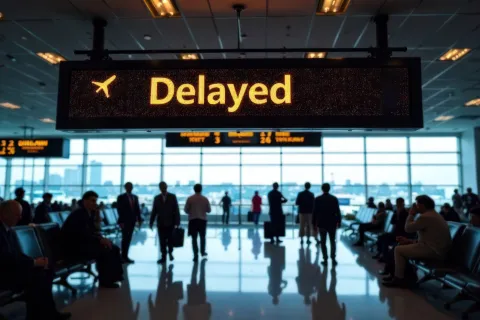
LISBON, Portugal - Portugal is bracing for its most significant travel disruption of the summer season as a nationwide general strike scheduled for June 3, 2026, threatens to ground hundreds of flights and paralyze rail networks across the country. For travelers planning to visit Lisbon's tascas, Porto's wine cellars or the Algarve's coastal seafood haunts, the timing couldn't be worse: the strike falls precisely when summer tourism begins to surge and when the country's food festivals and outdoor dining scenes traditionally hit their stride. According to Global Banking & Finance, up to 500 flights could be affected by the one-day action. TAP Air Portugal, the country's flagship carrier, faces the most severe impact, with up to 300 of its daily services potentially grounded. Other airlines operating from Portuguese bases, including budget carriers, are expected to face disruption as cabin crew and ground staff join the cross-sector protest. The strike, called by CGTP, Portugal's largest trade union confederation, targets government labour reforms that unions say will make dismissals easier and expand outsourcing. The Portuguese cabin crew union SNPVAC has voted to join the action, characterizing the proposed changes as an "unprecedented attack on established rights," according to statements reported by Idealista.Ripple Effects Across Europe's Travel Networks
The disruption won't be confined to Portugal's borders. Because Lisbon and Porto serve as key connection hubs linking North America, South America and Africa to destinations across Europe, flight cancellations on June 3 will create cascading delays and missed connections throughout the continent. Travelers routing through Portugal to reach Spain, France or other Mediterranean destinations should expect rescheduling headaches and potential overnight delays. Rail services face equally severe disruption. The Railway Union of Itinerant Commercial Review (SFRCI) has announced it will participate in the strike, targeting CP, Portugal's state-owned rail operator. For visitors planning day trips from Lisbon to Sintra's palaces or Porto to the Douro Valley's wine estates, alternative transportation arrangements will be essential. Metro systems in Lisbon and Porto, along with municipal bus networks, are also expected to see reduced or suspended service. This means even travelers who manage to reach Portugal by air may find themselves unable to move around cities or reach their accommodations easily.Critical Timing for Portugal's Food and Tourism Economy
June marks the traditional start of Portugal's summer tourism season, when visitor numbers begin their steep climb and the country's restaurant scene shifts into high gear. The strike falls just as outdoor dining terraces reopen, coastal towns fire up their charcoal grills for sardine season, and food festivals begin populating calendars across the country. For a nation where tourism represents a substantial portion of the economy, the timing is particularly painful. Lisbon's Time Out Market, Porto's Mercado do Bolhão and the Algarve's beach restaurants all depend on the steady flow of international visitors that typically accelerates through early June. A single day of disruption can cost not just that day's business but also force cancellations of reservations booked weeks or months in advance. Previous nationwide strikes in Portugal have demonstrated the potential for significant economic impact beyond the transportation sector. Supply chains feeding restaurants and markets can be disrupted, deliveries delayed and staffing complicated when workers across industries join coordinated actions.Airlines and Operators Prepare for Disruption
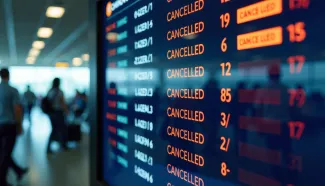
Airlines are expected to begin announcing pre-emptive cancellations in the days leading up to June 3, allowing passengers some advance notice to rebook. However, minimum service requirements, which typically mandate skeleton operations on strike days, remain unclear. How many flights will be protected under these rules, and which routes will receive priority, are questions that travelers and tour operators are anxiously waiting to have answered. TAP Air Portugal, which operates approximately 300 daily flights from Portuguese bases according to union-cited figures, faces the most complex operational challenge. The airline will need to balance minimum service obligations with the reality of widespread staff participation in the strike. Routes connecting Portugal to major European business centers and tourist destinations will likely be prioritized, but leisure routes to beach destinations could see higher cancellation rates.Should You Reroute Around Portugal?
Travelers with flexible itineraries should seriously consider avoiding Portuguese airports entirely on June 3. Those with fixed plans face a more difficult calculation. Rebooking now means potentially paying change fees and fare differences, but waiting risks being stranded with few alternatives when hundreds of other passengers scramble for limited seats on the few operating flights or alternate routes through Spain. From a food traveler's perspective, the disruption cuts deeper than simple logistics. Portugal's dining culture is built around timing and seasonality. Miss your reservation at a coveted spot and you might not get another chance during your trip. Arrive a day late and you could miss a weekend-only market or a chef's special collaboration dinner that won't repeat. The broader context matters too. Portugal's labour reforms reflect tensions playing out across Europe's tourism-dependent economies, where workers in airlines, hotels and restaurants increasingly push back against what they see as eroding job protections. This won't be the last strike to disrupt travel plans, particularly as summer approaches and unions leverage peak season to maximize pressure. For anyone planning Portugal travel around June 3, the practical advice is straightforward: build buffer days into your itinerary, purchase travel insurance that covers labour disruptions, monitor your airline and rail operator's communications closely, and have backup plans for ground transportation. Consider booking accommodations near your arrival airport for the night of June 2 or 3, giving yourself flexibility if flights are delayed or rescheduled. Spain's airports, particularly Madrid and Barcelona, may offer viable alternatives for travelers willing to enter the Iberian Peninsula from the east and travel overland to Portugal once the strike concludes. Just remember that cross-border bus and train services could also face delays if Portuguese rail unions extend their action to international routes. The June 3 strike is a reminder that travel in 2026 requires more contingency planning than ever. When a single day's labour action can threaten 500 flights and ripple across an entire continent's transportation network, the old advice applies more than ever: arrive early, stay flexible and always have a plan B.More travel news
EU System Meltdown Strands Travelers at Lisbon Airport
LISBON, Portugal - CNN correspondent shares video of chaos at Humberto Delgado International Airport as biometric border checks create hours-long waits and missed connections.

Portugal Strike Grounds Flights as Summer Travel Collapses
LISBON, Portugal - A nationwide general strike on June 3, 2026, threatens to ground hundreds of flights and shut down public transportation across Portugal just as summer tourism hits its stride.

Italy and Portugal to ditch border controls
ROME, Italy - As Greece halts its controversial biometric border system for summer travelers, Italy and Portugal appear poised to follow suit after weeks of airport chaos and airline pressure.

CNN Reveals Top 2026 Destinations With Solar Eclipse
GLOBAL — CNN Travel unveils its curated list of 2026's most compelling destinations, anchored by a rare total solar eclipse and other time-sensitive travel opportunities.

About the Author

Andy Wang
As our Asia Editor and a first-generation American, Andy Wang brings a unique dual perspective to Jetsetter Guide.