
Stay current with our airline news coverage.
Why the Tighter Deadline?
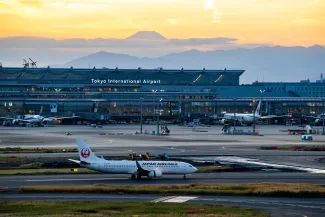
The short answer is delays. Lots of them. Last fiscal year, Haneda's on-time departure rate dropped to approximately 83 percent, a record low, according to Japan Today. For context, Japan's Ministry of Land, Infrastructure, Transport and Tourism defines on-time as departing within 15 minutes of the scheduled time. Even with that generous cushion, nearly one in five flights still missed the mark. The airlines are betting that forcing passengers to show up earlier will help them push back from the gate on schedule. Whether that actually addresses the root causes of delays or just shifts the burden onto travelers remains to be seen.What Happens If You Miss the Cutoff
There's no wiggle room here. If you arrive at the check-in counter 29 minutes before your flight, you're not checking that bag. Period. And if your carry-on doesn't fit the size restrictions, you're not getting on that plane. For anyone used to the 20-minute deadline, this might feel like splitting hairs. But that extra 10 minutes can make or break your connection, especially if you're coming from another terminal or caught in Haneda's occasionally chaotic security lines. The Scheduled Airlines Association of Japan emphasized it will clearly inform passengers about the new policy. Translation: expect signs, emails, and probably a few tense confrontations at the check-in counter when people inevitably don't read the fine print.Hostels, Trains, and the Haneda Sprint
Here's where this gets real for budget travelers and backpackers. Haneda is Tokyo's most convenient airport, period. It's closer to the city center than Narita, has better train connections, and is generally the faster option if you're staying anywhere near Shibuya, Shinjuku, or even further south in Kamakura or Yokohama. A lot of travelers banking on that proximity have been known to book the first morning flight out and time their train arrival down to the minute. That strategy just got riskier. If you're staying at one of Tokyo's many affordable hostels, which tend to cluster in neighborhoods like Asakusa or Ikebukuro, you're probably looking at a 45 to 60-minute commute to Haneda on the best of days. Factor in potential train delays, crowded platforms during rush hour, or simply not hearing your alarm after a farewell night out in Golden Gai, and that 30-minute buffer becomes less of a suggestion and more of a necessity. Current hotel pricing in Tokyo hovers around $99 per night at solid mid-range options like Koko Hotel Tsukiji Ginza, according to current Google Flights data. Budget spots like Residential Hotel Bevel Tokyo can run as low as $61 per night, though the quality reflects that price. For long-term travelers watching every yen, the temptation to squeeze one more night out of a cheap bed instead of paying for airport proximity is strong. But with this new policy, that gamble carries higher stakes.Does Ten Minutes Really Matter?
Probably more than it should. This isn't about making travel safer or improving service. It's about airlines trying to salvage their departure stats by tightening the screws on passengers. The 83 percent on-time rate at Haneda is terrible by Japanese standards, but it's also not happening in a vacuum. Japan's domestic aviation system has been under strain from staffing shortages, increased passenger volumes post-pandemic, and infrastructure that hasn't kept pace with demand. Asking travelers to absorb that pressure by showing up earlier doesn't fix ground crew delays, late-arriving aircraft, or inefficient gate assignments. It just makes it someone else's problem. That said, if you're flying domestic in Japan, especially out of Haneda, you now need to plan accordingly. Build in extra time. Don't book back-to-back connections with tight margins. And if you're the type who travels with a massive backpack that absolutely will not fit in an overhead bin, treat that 30-minute deadline like it's written in stone, because it is. For digital nomads and long-term travelers accustomed to flying light, this might not register as a major inconvenience. But for families, solo travelers hauling gear for extended trips, or anyone who's ever had to check a bag because their hostel didn't have luggage storage, this is one more thing to track in an already complicated process. The policy rolls out next month. If you've got flights booked through Haneda, double-check your airline's specific requirements and adjust your arrival time. Japan's trains run on time, but your margin for error just got slimmer.More travel news
United Adds Okinawa and Osaka Flights in Japan Push
San Francisco, United States - United Airlines is expanding beyond Tokyo with new nonstop service to Okinawa and a daily Los Angeles-Osaka route beginning in March 2027.
Farr East Unveils Complete Tokyo Guide for New Visitors
Tokyo, Japan - Brothers raised in Japan launch comprehensive travel guide with Google Map integration, cultural primers, and flexible itineraries for 10,000+ first-time visitors.

Windstar Unveils Spain Mystery Cruise with Port Clues
Barcelona, Spain – Windstar Cruises has announced two new Mystery Cruises for 2027, sailing to Northern Europe and Japan, alongside a Spanish coastal voyage in November 2026 where travelers discover each port just days before arrival.

Japanese Airlines Hike Fuel Fees Despite Price Drop
TOKYO, Japan - All Nippon Airways and Japan Airlines are hitting passengers with fuel surcharges topping $400 on long-haul flights, even as Asian jet fuel prices fall sharply from March highs.

About the Author

Mariana Torres
Mariana is a 33-year-old travel writer and backpacker who specializes in finding the pulse of a place far beyond the tourist maps.


