Stay current with our airline news coverage.
When Your Government Issues a Warning and You're Already There
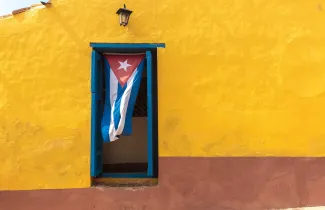
The traveler's approach was refreshingly blunt. "Recommending whether to travel or not, I won't do that; it depends on each," she said in her video, essentially refusing to play the role of travel influencer guru telling people what to do with their money and vacation days. Instead, she wanted to share what she actually saw during her stay in Varadero, which is about as close to a bubble resort experience as you can get in Cuba. And that's the thing: Varadero is not Havana. It's not Santiago. It's the postcard version, the place where tourists get shuttled in to drink mojitos and pretend they're experiencing "real Cuba" while staying in all-inclusive compounds. But even in Varadero, the cracks were showing. Argentina's advisory wasn't alarmist fluff; it was based on observable collapse. "There are reports of fuel shortages, including in tourist areas, prolonged power outages, disruptions to access to mains water, and shortages of food and medicines," the Foreign Ministry stated, according to their official release. This wasn't about petty inconveniences. This was about infrastructure giving out.The Geopolitical Mess Behind the Mess
To understand why Cuba is in freefall right now, you have to rewind a few weeks. On January 3, 2026, the U.S. captured Venezuela's Nicolás Maduro, effectively cutting off Cuba's lifeline of subsidized oil. Then, the day before Argentina's advisory dropped, President Trump signed an executive order slapping tariffs on any nation still selling oil to Cuba. It was a one-two punch designed to suffocate. Trump himself was pretty open about it: "Cuba was about to fall after the energy blow, and all that was left to do was to enter and destroy the place," he said, according to reports. The result? A country already struggling with decades of economic sanctions and mismanagement suddenly couldn't keep the lights on. Power blackouts hit 20 hours a day in some areas. Fuel became scarce. Water systems started failing. And while the Cuban government blamed the U.S. embargo and Trump's moves, the reality on the ground was just... hard. For everyone. Canada and Mexico issued similar travel advisories on January 31, joining Argentina in essentially telling their citizens to stay away. The U.S. maintained its Level 2 "Exercise Increased Caution" warning, citing crime and unreliable power. Tourist arrivals dropped to 1.8 million in 2025, down 17.8% from 2024, according to official statistics. The tourism industry, which had been one of Cuba's few remaining economic engines, was sputtering out.What It Means for Travelers Right Now
So back to our Argentine traveler. She spent her days in Varadero, which means she was insulated from the worst of it. But she still saw enough to know things weren't normal. And her refusal to give a blanket recommendation is actually the smartest thing she could've done. Because the truth is, traveling to Cuba right now isn't just about whether you can handle a cold shower or a long power outage. It's about whether you're okay with being a tourist in a place that's actively unraveling. I've been to Cuba three times, and every time I go, I'm reminded that it's not a country you "do" on a long weekend. It's complicated. It's beautiful and frustrating and exhausting and full of people who are just trying to survive a system that's been broken for decades. And now, with fuel shortages hitting even the tourist zones, with embassies quietly updating evacuation protocols, with regional governments all saying "maybe don't go," the ethical question becomes sharper: is this the time?The Hostel Take
If you're the kind of traveler who thrives on unpredictability, who likes to think of yourself as someone who "goes anyway," Cuba might still call to you. But you need to go in with your eyes open. Bring cash. Bring backup supplies. Understand that things will not work the way you expect them to. And don't expect anyone to feel sorry for you when the power goes out for 18 hours and you miss your sunset photo op. The traveler on TikTok said it best when she framed her video around lived experience rather than advice. "I can only recount what I lived through," she said, and that's the most honest travel content you're going to get right now. Not tips. Not hacks. Just reality. And sometimes, reality looks like a government advisory you probably should've read before you booked the flight.More travel news
Passenger Hides in Overhead Bin to Dodge Ryanair Fees
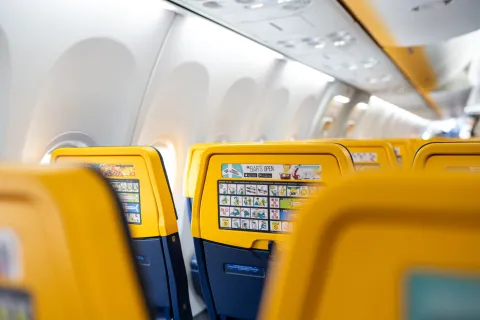
MALTA - A Ryanair passenger climbed into an overhead bin on a Malta to Naples flight, shouting "NAPOLI" in a viral stunt protesting the airline's strict baggage fees.
Cuba's Collapse Accelerates as Global Powers Stay Silent
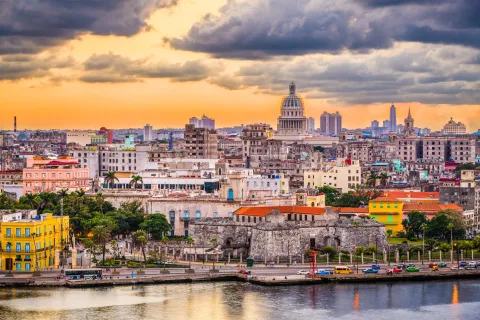
Havana, Cuba — The island enters a new phase of crisis marked by infrastructure collapse and tourism sector failure, raising urgent questions about intervention and stability.
Travel Influencers Become Digital Brokers for Gen Z
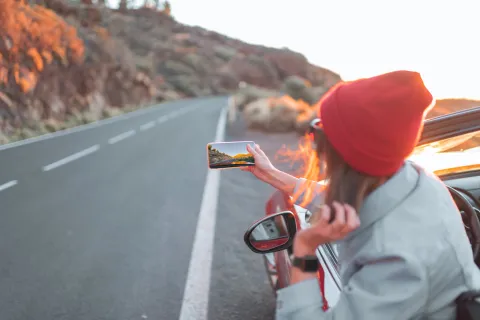
Digital Travel — Influencers have evolved from content creators to market brokers as platforms prioritize retention over virality, reshaping how destinations are discovered and booked.
TSA Says Ignore TikTok and Arrive 2 Hours Early
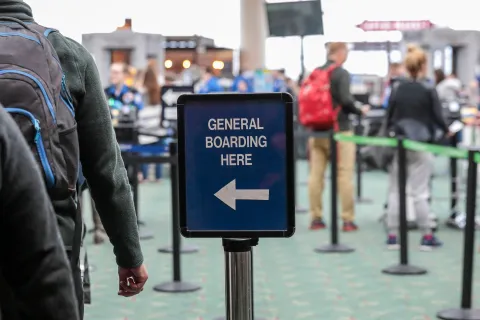
NATIONWIDE — The Transportation Security Administration pushes back against social media claims that travelers can arrive just minutes before boarding.
About the Author

Mariana Torres
Mariana is a 33-year-old travel writer and backpacker who specializes in finding the pulse of a place far beyond the tourist maps.