Multiple Nations Join US Safety Warning
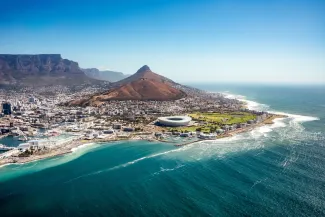
The UK, Canadian, and New Zealand advisories follow guidance issued by the United States in May 2025, when the US Embassy warned American citizens about crime, terrorism, unrest, and kidnapping risks in South Africa, according to Travel. The coordinated nature of these warnings, particularly from Commonwealth nations that share intelligence frameworks and diplomatic protocols, signals a substantive shift in how developed countries are assessing ground conditions for their traveling citizens. These are not isolated cautions; they represent aligned risk analysis from multiple Western governments. For travelers planning trips to South Africa, the practical meaning is clear: insurance coverage may be affected, embassy support could be limited in certain regions, and evacuation protocols carry heightened urgency. Adventure travelers, safari guests, and business visitors accustomed to South Africa's well-established tourism infrastructure now face a recalibrated risk environment that demands closer attention to regional conditions and personal security protocols.Tourism Reality vs Government Guidance
The advisories create an unusual contradiction with actual travel patterns. According to the US Embassy, the top three overseas visitor sources to South Africa for 2025 included tourists from the United States, UK, and Germany, as reported by Travel. South Africa welcomed hundreds of thousands of visitors from these nations even as government warnings escalated. This disconnect is not new in the travel advisory landscape. Governments issue warnings based on threat assessments that often reflect worst-case scenarios and legal liability concerns, while tourists frequently travel to destinations with active advisories, relying on local knowledge, guided experiences, and controlled environments that mitigate broader regional risks. What's changed is the scope and simultaneity of these warnings. When multiple allied nations issue similar guidance within weeks of each other, it typically indicates shared intelligence about elevated threats or a pattern of incidents affecting foreign nationals. For travelers, this means the usual calculus of acceptable risk requires recalibration.What This Means for Travelers on the Ground
South Africa's tourism sector operates across a wide spectrum of risk profiles. Cape Town's wine country, the Garden Route, and private game reserves in Kruger and the Eastern Cape maintain security standards that have served international guests for decades. Urban centers like Johannesburg and Cape Town present different challenges, with crime concentrated in specific areas and times. The advisories do not ban travel; they urge extreme caution. For expedition travelers, photographers working in townships or rural areas, and independent tourists moving outside managed tourism corridors, that language translates to heightened situational awareness, restricted movement after dark, and reliance on vetted local operators with established security protocols. Business travelers and conference attendees in Johannesburg, Durban, or Cape Town should coordinate closely with in-country contacts, use vetted transportation, and avoid predictable patterns. The advisory language around kidnapping, while alarming, typically reflects concerns about targeted incidents rather than random abductions, but the inclusion of that term in official guidance is never trivial.The Golfer, The Promotion, The Timing
Bryson DeChambeau's promotion of South Africa as a travel destination following his LIV Golf victory at Steyn City was well-intentioned and reflects the experience many visitors have: controlled, secure, high-quality tourism environments that showcase the country's extraordinary landscapes, wildlife, and hospitality. His view is not wrong, it's incomplete. The challenge for travelers is understanding that celebrity endorsements, influencer content, and tourism marketing show one layer of reality while government advisories reflect another. Both can be true simultaneously. South Africa offers some of the world's best safari experiences, dramatic coastal scenery, and vibrant urban culture. It also contends with infrastructure strain, economic instability, and crime patterns that disproportionately affect certain areas and demographics.Navigating the Decision
For travelers weighing a South Africa trip in light of these advisories, the decision framework should include: destination-specific risk assessment, not country-wide generalizations; reliance on established operators with security expertise; travel insurance that covers advisory-level destinations; and real-time monitoring of conditions through embassy alerts and local contacts. South Africa remains open, accessible, and operationally capable of hosting international visitors. What's changed is the level of caution required and the expectation that travelers take personal security seriously rather than assuming tourism infrastructure alone provides adequate protection. That's a different travel posture than most Western tourists typically adopt, but it's the reality these advisories now demand.More travel news
Lufthansa Blocks First Class Awards for Millions
FRANKFURT, Germany - Lufthansa blocks first-class award redemptions for frequent flyers in three major markets, eliminating a prized benefit for millions of travelers who've been banking miles for premium cabin flights.

Mozambique Arrests Two in Kruger Tourist Killings
MAPUTO, Mozambique - Authorities in Mozambique arrested two suspects linked to the murders of South African tourists Dina and Ernst Marais in Kruger National Park, less than two weeks after the couple's deaths.

Disruptive Flyers Face Industry-Wide Travel Ban
LONDON, United Kingdom - Ministers consider cross-airline ban system to curb persistent disruptive behavior, drawing on India's unified no-fly model.

Air Canada Slashes 13 Global Routes Through Fall 2026
TORONTO, Canada - Air Canada suspends 13 international routes across Europe, Asia-Pacific, and Latin America despite maintaining dominant position with 274 daily international departures.
About the Author

Jeff Colhoun
Jeff Colhoun is an acclaimed travel writer, photographer, and filmmaker, whose work is respected both in the United States and internationally.