Stay current with our hotel news coverage.
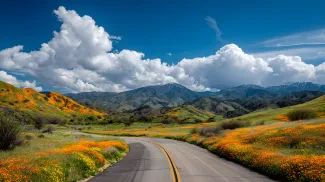
SOUTHERN CALIFORNIA — The dormant seeds beneath California's desert floor may soon awaken into one of nature's most spectacular displays. Thanks to unusually heavy winter rainfall saturating the state's arid landscapes, conditions appear favorable for a rare superbloom in 2026, just three years after the last extraordinary floral eruption transformed hillsides and valleys into vibrant carpets of color. For families planning spring travel or wellness enthusiasts seeking nature's rejuvenating beauty, this potential phenomenon represents a compelling reason to head west. These events occur roughly once per decade, making each appearance a precious opportunity to witness an ecological marvel that transforms familiar desert vistas into something almost otherworldly.
Understanding California's Superbloom Phenomenon
A superbloom isn't simply a good wildflower year. It's a rare convergence of environmental factors that triggers the simultaneous germination and flowering of countless dormant seeds, some of which may have waited years or even decades for precisely the right conditions. The result is an explosion of color that can be visible from space and draws visitors from around the globe. The state experienced its most recent superbloom in 2023, and before that, notable events occurred roughly every ten years. What makes 2026's potential display particularly remarkable is its proximity to the last one, suggesting that this winter's precipitation has been truly exceptional.
Rain Sets the Stage for Spring Color
The foundation for any superbloom is winter moisture, and this year delivered. Southern California desert areas received substantial precipitation during the winter months, according to CBS 8 San Diego. Some of these regions received about 3.5 inches of rain over the two months leading up to January 2026. Typically, the area gets about 5 inches of rain annually, meaning it has already received roughly 70% of its annual average before spring even arrives. This early saturation is critical. Desert wildflower seeds require specific moisture thresholds to break dormancy, and the timing must align with cooler temperatures that allow seedlings to establish strong root systems before the intense heat of late spring and summer arrives.
What This Means for Travelers
For families considering a California spring vacation, these rainfall figures translate into a high probability of witnessing something truly special. The desert landscapes that often appear barren and brown could transform into living canvases painted with California poppies, desert lilies, lupines, and dozens of other species that have evolved to capitalize on brief windows of opportunity. From a wellness perspective, experiencing a superbloom offers benefits that extend beyond visual beauty. Research in environmental psychology consistently demonstrates that exposure to natural phenomena, particularly rare or extraordinary ones, can reduce stress, enhance mood, and create lasting positive memories. For families traveling with children, a superbloom provides tangible evidence of ecological resilience and the patience inherent in natural cycles.
Prime Viewing Locations and Timing
The 2026 wildflower season is expected to peak from March through April in low-elevation desert areas. For families planning visits, this timeline allows for spring break travel that coincides with optimal viewing conditions. The weather during these months typically offers comfortable temperatures for outdoor exploration, making desert hiking accessible even for younger children or older travelers. Several locations stand out as premier superbloom destinations. Death Valley National Park, despite its forbidding name, can become a riot of color when conditions align. Joshua Tree National Park offers the dramatic contrast of wildflowers against iconic twisted trees and boulder formations. The Mojave National Preserve provides vast expanses where floral displays can stretch to the horizon. Each of these destinations offers family-friendly infrastructure, from visitor centers with educational programming to well-maintained trails suitable for various fitness levels. Many also feature luxury accommodations or upscale camping options nearby, allowing families to experience this natural wonder without sacrificing comfort.
Planning Considerations for Families
Superbloom tourism has grown substantially since social media amplified awareness of these events. This increased interest brings both opportunities and challenges. On one hand, ranger-led programs and guided wildflower tours have become more sophisticated, offering educational enrichment that transforms a simple viewing experience into deeper ecological understanding. Many luxury resorts in nearby Palm Springs, Palm Desert, and other communities have developed specialized superbloom packages. On the other hand, popular viewing areas can become crowded during peak weekends. Families seeking a more contemplative experience should consider midweek visits or early morning excursions when light is optimal for photography and temperatures remain comfortable. The golden hour just after sunrise provides particularly stunning illumination of desert blooms.
Beyond the Bloom: Broader Travel Benefits
Even if the 2026 superbloom doesn't materialize exactly as anticipated, Southern California's desert regions offer compelling reasons for spring visits. The same rainfall that might trigger widespread blooms also revitalizes desert ecosystems more broadly, creating opportunities to observe wildlife, enjoy moderate temperatures, and explore landscapes that reveal their subtle beauty to patient observers. For multigenerational travel groups, desert destinations during this season accommodate diverse interests and mobility levels. Accessible viewpoints allow those with physical limitations to participate fully, while more adventurous family members can venture onto challenging trails. The educational value spans age groups, from young children discovering their first desert tortoise to grandparents reflecting on ecological change over their lifetimes. The convergence of exceptional winter rainfall and spring's arrival has created ideal conditions for California's deserts to showcase their hidden potential. Whether the result qualifies as a true superbloom or simply an excellent wildflower year, families who venture into these transformed landscapes will witness nature's capacity for sudden, breathtaking beauty.
More travel news
Luxury Hotels Pamper Pets with VIP Treatment
MONTECITO, Calif. - Luxury properties debut gourmet menus, rescue programs, and VIP experiences for four-legged guests as pet-friendly travel bookings soar 260% year over year.

Drunk First Class Flyer Hates Chicago Begs for Ride Home
Chicago, Illinois - A late-evening American Airlines first-class flight from O'Hare to Southern California became an uncomfortable endurance test when one passenger found herself seated next to an intoxicated woman who ranted about Chicago, ordered multiple drinks, and eventually begged to come home with her.

Porter Airlines Soars Into Palm Springs Market
PALM SPRINGS, Calif. — Porter Airlines launched direct Toronto flights in late 2024, giving Canadian travelers a third airline option to California's desert resort destination.

How Far $50 of Gas Takes You in Every State
UNITED STATES — New fuel cost analysis reveals stark state-by-state variations, with $50 of gas buying 460 miles in Mississippi but far less in coastal states as summer travel season approaches.

About the Author

Jennifer Wilmington
Jennifer Wilmington is a distinctive voice in the world of family and luxury travel, offering unique perspectives derived from her diverse background and experiences.