Stay current with our hotel news coverage.
Sleeping at 3,900 Meters: Glamping Comes to the Salkantay Route
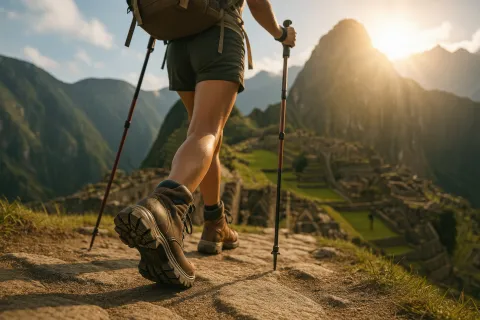
SORAYPAMPA, Peru — There's a specific kind of exhaustion that sets in around day two of a high-altitude trek. Your lungs feel like they're working overtime, your legs burn in places you didn't know existed, and the promise of a decent night's sleep becomes the single most motivating force in your life. For years, trekking to Machu Picchu meant accepting that discomfort as part of the deal: basic campgrounds, freezing temperatures, and the kind of sleeping bag that smells like everyone who's used it before you. Bamba Travel is betting that doesn't have to be the case anymore. The adventure travel company has announced Incachiriasqa, a new high-altitude glamping and trekking experience set to debut in April 2026, according to Travel News. The camp sits at Soraypampa, perched at an elevation of 3,900 meters beneath the snow-capped peak of Salkantay, which towers at 6,271 meters. This isn't your standard hostel-organized trek with tents that leak and guides who vanish after dinner. Bamba Travel has built something that attempts to bridge the gap between authentic Andean trekking and the kind of comfort that doesn't leave you questioning all your life choices at 2 a.m. when you need to pee and it's below freezing outside.What Incachiriasqa Actually Means for Trekkers
The concept is straightforward: combine the raw, unfiltered beauty of the Salkantay route with accommodations that don't feel punishing. According to Travel News, Bamba Travel has designed the camp using authentic Andean architecture paired with modern glamping amenities. Translation: you're still in the mountains, still earning your way to Machu Picchu, but you're doing it without the full suffering Olympics experience. "Incachiriasqa reflects the spirit of exploration that defines Bamba," said Paul Sarfati, according to Travel News. The name itself, Incachiriasqa, carries weight. It's Quechua, the language still spoken throughout the Andes, and choosing it signals intent. This isn't just another Western-run tour operation slapping "eco" onto their marketing materials. It suggests an attempt, at least, to root the experience in something culturally grounded rather than purely transactional. Soraypampa isn't a random campsite. It's a staging ground on one of the most spectacular alternative routes to Machu Picchu, bypassing the overcrowded chaos of the classic Inca Trail lottery system. The Salkantay trek has long been the domain of budget backpackers willing to rough it for the views and the bragging rights. Adding glamping here changes the demographic entirely.Who This Is Really For
Let's be honest: this isn't aimed at the 22-year-old sleeping in a six-peso hostel dorm in Cusco. Glamping at nearly 4,000 meters is for travelers who want the adventure narrative without the full physical toll, or those who've aged out of back-breaking budget travel but still crave something more interesting than an all-inclusive resort. It's also perfect for digital nomads flush with remote work cash who want Instagram content that doesn't look like every other Bali rice terrace photo. High-altitude glamping with Salkantay looming in the background? That's content gold. There's something slightly absurd about glamping at altitude, I'll admit. Part of me wants to roll my eyes at the idea of "roughing it" with amenities. But another part of me, the part that's spent too many nights shivering in poorly insulated tents, understands the appeal. Not everyone needs to suffer to prove they're a real traveler. And frankly, the gatekeeping around what counts as "authentic" backpacking has always been exhausting.The Bigger Picture: Tourism and the Andes
Bamba Travel's move also reflects a broader shift in how adventure tourism operates in Peru. The Inca Trail has been choked with permits and crowds for years. Operators have been pushing alternative routes like Salkantay, Lares, and Choquequirao to distribute the tourism load and offer something different. Adding infrastructure like Incachiriasqa raises questions, though. How does a permanent glamping operation impact the land? What's the waste management plan at that altitude? Who benefits financially, local Quechua communities or external investors? These aren't small concerns, especially in a region where tourism can be both lifeblood and burden. Bamba Travel has completed construction of the camp, according to Travel News, which means the physical footprint already exists. What remains to be seen is how it integrates into the existing trekking ecosystem, whether it employs local guides and staff, and if it manages to avoid the extractive patterns that have plagued adventure tourism elsewhere.What Travelers Should Know
If you're considering Incachiriasqa when it launches in April 2026, here's what matters: acclimatization is non-negotiable. You can glamp all you want, but altitude sickness doesn't care about thread count. Spend time in Cusco first. Drink coca tea. Walk slowly. Your body needs time to adjust to the thin air. Also, understand what you're signing up for. This is still a trek. You're still hiking at serious elevation. Glamping softens the edges but doesn't eliminate the challenge. For solo female travelers, organized treks like this offer safety and structure that independent hiking sometimes lacks. You're with a guided group, there's infrastructure, and you're not navigating permits and logistics alone. Incachiriasqa represents something new in the Peruvian trekking world: luxury meeting altitude, comfort intersecting with challenge. Whether it's the future of adventure travel or just another high-end niche depends entirely on execution. But one thing's certain: sleeping beneath Salkantay in something other than a freezing tent sounds pretty damn good right about now.More travel news
Travel Experts Reveal Peru's Best Visiting Months
LIMA, Peru — Travel experts point to March through May and September through October as ideal windows for visiting Peru, balancing pleasant weather with manageable tourist numbers across the country's diverse landscapes.

Machu Picchu Train Crash Kills Worker Injures 30
QORIWAYRACHINA, Peru — Two tourist trains collided on the Machu Picchu railway, killing a worker and injuring 30 during the holiday rush, stranding hundreds of travelers.

AI Expert Slashes Flight Cost 72% Using Grok Prompts
LIMA, Peru — A tech professional's viral post reveals how AI prompts exposed hidden airline pricing strategies, slashing airfare by more than 70%.

Machu Picchu Tourism Reopens After Accord With Authorities
Cusco region of Peru welcomes visitors again as Machu Picchu tourism resumes after officials and community leaders reach a new access accord.
About the Author

Mariana Torres
Mariana is a 33-year-old travel writer and backpacker who specializes in finding the pulse of a place far beyond the tourist maps.