The Scope of the Problem
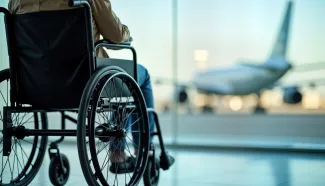
U.S. airlines mishandled 1.09% of mobility devices in 2025, according to USA Today. That figure represents a modest improvement from 1.26% in 2024. But behind those percentages lies a more sobering reality: in 2024 alone, airlines reported mishandling 11,575 wheelchairs and scooters out of approximately 2.6 million enplanements by passengers who used them. That translates to roughly 4.5 mishandled mobility devices per 1,000 passengers who relied on one. For many travelers with disabilities, a wheelchair or scooter is not a convenience item; it is essential mobility equipment that enables basic independence, work, and daily life. When an airline damages or breaks that equipment, the consequences extend far beyond inconvenience. Stranded without the ability to move freely, travelers may miss work commitments, lose access to hotel accommodations, or face unsafe conditions that compromise their dignity and autonomy.A Persistent Industry Failure
Town's experience with Southwest is part of a documented, industry-wide pattern affecting all major U.S. carriers. The problem persists despite years of complaints and new rules intended to improve accountability. In 2024, the U.S. Department of Transportation finalized new airline accessibility regulations that strengthen requirements for safe handling and stowage of wheelchairs and scooters and mandate enhanced staff training. Under the Air Carrier Access Act, airlines must repair, replace, or reimburse passengers when their mobility devices are damaged, delayed, or lost. Yet the gap between regulatory intent and operational reality remains wide. Advocates say the issue is not just inconvenience, but access, dignity, and safety. For Town, who chose her mobility scooter specifically because of its ease of travel, the damage underscores how fragile the system remains for travelers who depend on these devices to function in the world.What the Numbers Show
The 2025 mishandling rate of 1.09% marks incremental progress, but the absolute numbers remain troubling. Even at the improved rate, more than 10,000 wheelchairs and scooters are still mishandled annually. Each incident can have cascading effects: a damaged device may take weeks to repair, forcing travelers to miss work, cancel planned activities, or rely on inadequate loaner equipment that doesn't meet their specific mobility needs. Airlines contend that handling complex, heavy mobility devices in tight turnaround windows presents operational challenges. They point to investments in training, new procedures, and equipment in response to DOT rules. But for travelers with disabilities, the statistics represent a civil rights failure, stripping them of independence and sometimes leaving them stranded or unsafe at their destinations.Where This Leaves Travelers With Accessibility Needs
For families traveling with members who use wheelchairs or scooters, this data demands a shift in planning strategy. The 1.09% mishandling rate, while lower than in 2024, still means that roughly one in every 92 mobility devices is damaged, delayed, or lost. That's not a negligible risk when the device in question is someone's primary means of moving through the world. Travelers should document their mobility devices thoroughly before every flight, photographing serial numbers, dimensions, and any existing damage. Understanding your rights under the Air Carrier Access Act is essential: airlines are legally required to repair, replace, or reimburse when devices are mishandled. Keep copies of receipts, warranties, and medical documentation that establishes the device as durable medical equipment, not luggage. Consider the timing of critical trips. If you're traveling for a medical appointment, family event, or work commitment where mobility access is non-negotiable, build in buffer time and have a backup plan. Some travelers arrange for loaner equipment at their destination or research local medical supply vendors in advance. It's an unfair burden, but until the industry achieves a zero-tolerance standard for mishandling, it's also practical risk management. For multigenerational trips where grandparents or other relatives use mobility devices, the stakes are even higher. A damaged wheelchair doesn't just derail one person's experience; it can upend an entire family's itinerary and turn what should be a celebratory trip into a logistical nightmare. The modest improvement from 2024 to 2025 is cold comfort when the traveler affected is your family member, left without mobility equipment in an unfamiliar city. The DOT's 2024 accessibility rule represents regulatory intent, but enforcement and compliance remain inconsistent. Until airlines treat mobility devices with the same care they afford cargo of equal value, and until penalties for mishandling become meaningful enough to drive systemic change, travelers with disabilities will continue to face an unacceptable level of risk every time they board a plane.More travel news
US Warns Citizens to Reconsider Travel to 14 Mideast Nations
Washington, D.C. - The U.S. State Department has reissued security alerts for 14 Middle Eastern countries, warning Americans of rapidly shifting threats and urging caution across the region.

Massive Flight Chaos Hits USA With 4,508 Delays
NATIONWIDE - A single-day disruption on June 2, 2026, left thousands of passengers stranded as 4,508 flight delays and 85 cancellations swept across major U.S. carriers and states.

Southwest Reverses Plus-Size Seating Policy After Fury
Dallas, Texas - Southwest reverses a four-month-old policy that required plus-size travelers to purchase additional seats, backing down after sustained customer criticism.

Southwest Struggles With Boeing 737 First Class Retrofit
DALLAS - Southwest Airlines is chasing premium travelers with new fare types and extra-legroom seats, but its all-economy cabins leave billions in revenue on the table.

About the Author

Jennifer Wilmington
Jennifer Wilmington is a distinctive voice in the world of family and luxury travel, offering unique perspectives derived from her diverse background and experiences.